Affiliate disclosure: This post contains affiliate links. We may earn a commission if you make a purchase through our links, at no extra cost to you.
A hurricane gives you something most emergencies never do: warning. Days of it. These hurricane preparedness tactics turn that warning into a plan you work hour by hour, instead of a panicked scramble the night before landfall. This page is about the clock and the decisions. For the full shopping rundown, our Hurricane Season Gear Guide covers the ten items that earn their spot. Here we focus on what to do, and when.
The direct answer: start 72 hours out and give each block of time one job. Confirm supplies and documents at 72 hours. Secure the house at 48. Make the evacuate or shelter call at 24, and fuel the car either way. Set up your safe room at 12. Ride out the storm away from windows, and stay careful after it passes, because a lot of hurricane injuries happen during cleanup.
Hurricane Preparedness Tactics: Work the Countdown
Save this table to your phone or the fridge before storm season starts.
| Time | Your one job |
|---|---|
| 72 hours out | Confirm supplies, water, prescriptions, and documents |
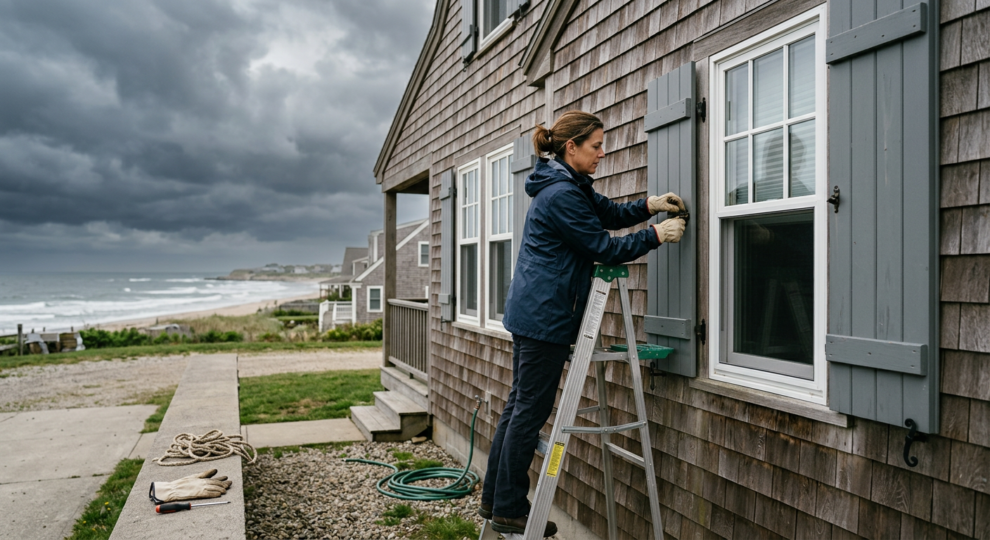
| 48 hours out | Secure the yard, the trees, and the openings of the house |
| 24 hours out | Decide: evacuate or shelter. Fuel the car either way |
| 12 hours out | Set up the safe room, charge everything, chill the fridge |
| During the storm | Stay inside, away from windows, in your chosen spot |
| After the storm | Watch for water, power lines, and carbon monoxide. Document damage |
One timing fact to respect: landfall is not when the effects begin. Tropical storm force winds can arrive hours before the eye, and outer bands spin up tornadoes early. The National Hurricane Center publishes watch and warning arrival estimates, so you always know how much clock is left.
72 Hours Out: Supplies, Documents, and Refills
Three days out, your goal is simple: nothing left on the list that depends on a store being open.
Water. Store one gallon per person per day for at least three days, plus water for pets and rinsing. A family of four needs 12 gallons at minimum.
Food you will actually eat. Pantry staples, canned protein, and a manual can opener cover most households for three days. If you also want a backup you never have to rotate, a ReadyWise emergency food supply bucket sits in a closet for years as insurance.
Prescriptions. Refill everything now; pharmacies close ahead of landfall and medications are the most forgotten item.
Cash in small bills. Card readers need power and internet, so cash is often all an open gas station will take.
Documents. Put your insurance declarations page, IDs, and a photo or video walkthrough of every room in a waterproof bag, with a cloud copy. Claims get settled from that walkthrough.
Light. Test every light and battery you own. One lantern per main room beats a handheld, because it lights the space hands-free; the Etekcity LED camping lanterns are a simple multi-pack. Skip candles entirely.
48 Hours Out: Secure the House
Work the outside first, then the house itself, in this order.
1. Clear the yard. Patio furniture, grills, planters, and toys all become wind-driven debris. Move small items indoors and anchor or strap the rest. Photograph the yard before you move anything.
2. Deal with trees. Cut branches hanging over the roof, the driveway, or power lines, and hire a professional for anything near a line. Every branch removed now is one that cannot land on your roof at hour zero.
3. Clear the drains. Clear gutters, downspouts, and street storm drains; standing water finds every gap.
4. Cover the openings. Storm shutters if you have them, cut-to-size plywood if you do not. Tape on glass does nothing.
5. Plan for water at the door. If your street floods, set your defense before the rain starts. Sandbags work, and so do Quick Dam water-activated flood barriers, which absorb water and swell into a dam across a door or garage entry. The catch: they need time to expand, so place them in dry weather.
Inside, move keepsakes off the floor in any room that has flooded before, and confirm where your water and power shutoffs are.
24 Hours Out: Make the Evacuate or Shelter Call
Make this call at a fixed hour, not at midnight in the rain. Four factors decide it:
1. The official order. If officials order your evacuation zone to leave, leave. Zones are drawn around storm surge, the wall of water a storm pushes ashore and the deadliest part of a hurricane. The order is about water, not wind strength.
2. Your structure. A sound, modern house outside a surge or flood zone can shelter you well. A mobile or manufactured home cannot, and neither is a safe bet under large untrimmed trees or in a flood pocket.
3. Your household. Power-dependent medical devices, limited mobility, infants, or pets all push toward leaving. Many public shelters do not accept pets, and pet-friendly hotels book out early.
4. Your route. If you are going, go early: routes clog and gas stations along them run dry. Keep the tank at half from the start of the season. Our emergency evacuation plan guide covers routes, meeting points, and what to load in the car.
Staying is a reasonable call on the right reasons: outside ordered zones, a solid house, and everyone able to handle days without power.
12 Hours Out: Final Setup Inside
The last day is about comfort and positioning, not shopping.
Charge and fuel everything. Phones, laptops, and battery banks to full. Top off the car, then park it inside or away from trees.
Work the fridge. Turn the fridge and freezer to their coldest settings, and freeze water jugs. A closed fridge holds a safe temperature about four hours; a full freezer, about 48. The jugs buy extra time and become drinking water later.
Fill the bathtub. That water is for flushing toilets and washing, not drinking unless you treat it first.
Pick and stage your safe room. An interior room on the lowest floor with no windows: a hall closet, interior bathroom, or under the stairwell. If your area could flood, go to a higher floor instead. Stage it before dark: lantern, water, snacks, medications, documents, shoes, blankets. Small children can wear bike helmets while the storm passes; it sounds odd and it is cheap protection.
Set your information line. Cell networks jam after landfall, and texts get through when calls do not, so everyone texts one out-of-area contact. Keep a FosPower A1 hand crank NOAA weather radio in the safe room; on crank or batteries it keeps giving you forecasts with the power out.
Close interior doors as the storm nears. If a window fails, closed doors slow wind and rain from moving through the whole house.
When the Storm Arrives: Where to Position Your Family
Get everyone into the safe room before winds reach tropical storm force, shoes on. Stay away from exterior walls, windows, and doors even boarded, with a mattress or heavy blankets pulled around you.
Expect the eye: winds can drop to near calm for minutes to half an hour, then the back side returns from the opposite direction, often stronger. Nobody goes outside. The storm is not over until the radio says so.
Outer bands also spin up quick tornadoes. In a tornado warning, drop to the lowest interior room, a bathroom or bathtub is ideal, and pull a mattress and helmets over everyone.
If water enters the house, go up, not out. Move to a higher floor and call 911 once positioned. Shelter in an attic only if it has a window or vent you could escape through; otherwise a second floor room is right.
After the Storm: The Dangers That Outlast the Wind
Stay inside until local officials say it is clear, then take a slow look from the doorway before anyone walks the yard. Four hazards cause most post-storm injuries:
Power lines. Treat every downed line as live. Never touch one, never drive over one, and report it; lines can charge back up without warning.
Floodwater. Six inches of moving water can knock an adult down, and twelve can float a car. Never drive through a flooded road; turn around. Assume the water is contaminated, and keep kids and pets out of it. Our flood emergency plan covers cleanup and water safety.
Carbon monoxide. A generator belongs outside, at least 20 feet from the house, with the exhaust pointed away from windows, doors, and vents. Never in the garage or a carport. CO is odorless, and every season brings deaths a 20 foot rule would have prevented.
Debris. Boots, work gloves, and a light after dark. Nails, glass, and unstable limbs do most cleanup damage.
A closed fridge is safe about four hours, a full freezer about 48; when in doubt, throw it out. Boil water or use bottled until authorities clear the supply.
Then document before you clean. Photograph every damaged room and item before anything moves, and save receipts for temporary repairs. A heavy Grizzly heavy duty poly tarp over a breached roof section keeps a small leak from becoming a ruined ceiling, and insurers typically cover stopgap repairs. File with your insurer first, then check disasterassistance.gov if the storm was federally declared.
Last, check on neighbors, especially older ones, and get kids back into a routine fast. Calm adults make calm kids.
Hurricane Preparedness Tactics FAQ
How much water should I store for a hurricane?
One gallon per person per day for at least three days, so a family of four stores 12 gallons at minimum. Add more for pets, cooking, and basic washing. Filling the bathtub at 12 hours out gives you sanitation water for flushing toilets on top of that.
Is it safer to evacuate or shelter at home?
If officials order your zone to leave, leave; the order is based on storm surge. Outside a zone, in a sound house, with no power-dependent medical needs, sheltering is a reasonable choice. Make the call at 24 hours out, never during the rain.
Can I run a generator in the garage with the door open?
No. Carbon monoxide builds up and drifts into the house even with the door wide open. Run it outside, at least 20 feet from the structure, with the exhaust facing away from windows and vents.
What do I do if a tornado warning is issued during the hurricane?
Move to the lowest interior room, ideally an interior bathroom or bathtub, and cover everyone with mattresses and bike helmets. Tornadoes in the outer bands form fast, so the warning is your cue to move immediately.