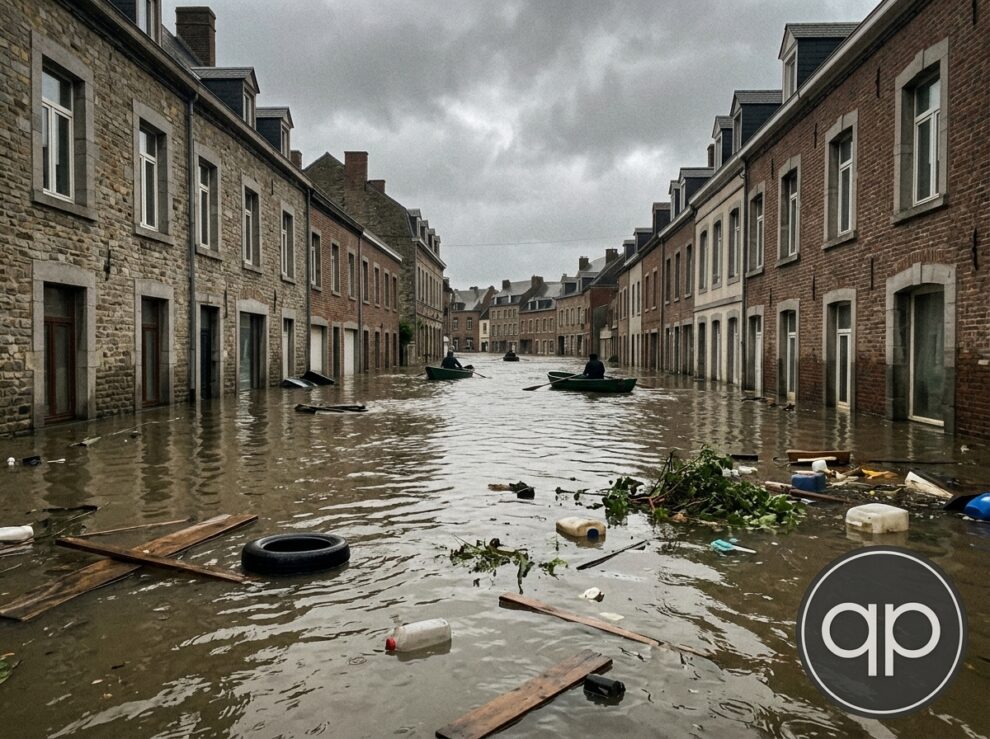
Nature is a force. Wild, indifferent, and sometimes, deadly. I have seen the aftermath of floods, the waterline etched high on buildings like a scar from a forgotten battle. The news will flash images of devastation, but that is just a preview. When the water comes, it does not negotiate. It only takes. This isn’t some distant threat; it’s reality. So how do you prepare, when the world around you turns into a raging torrent? How do you not only survive but protect everything you have worked for? Here is where to begin.
Gauge the Threat
Can you truly read the currents or will you go under? Situational awareness is not just a concept; it’s your lifeline.
First, understand flood dynamics; know the difference between a flash flood (a rapid surge with little warning) and a slow-rise event, which offers time but lulls you into complacency. Did the river swell overnight or was it a steady creep? That first glance is everything.
Next, local risk assessment. That data about your location isn’t just numbers; it’s a whisper from the past, revealing patterns and vulnerabilities. Understand your zone and historical data. Has this area flooded before? How high did the water reach? Knowledge is your power dynamic. Check out this emergency preparedness guide.
Finally, decoding weather patterns is crucial. Learn to interpret warnings and predictive models. A quick pause lets your instincts process the vibe. Don’t just hear the alert; see the storm, feel the humidity. Remember, forecasters can only see so much. Fill in the gaps. That first glance (it’s the difference between being ready and becoming a casualty).
Fortify Your Position
Assume the worst because no one is coming to save you.
Your fortress, that’s your home. What steps have you taken to protect it? Because when it rains, it pours.
Reinforcing Your Home
Three lines of defense: sandbagging, sealing, and elevating utilities.
Prepare for the storm’s assault, not its after-effects.
1. Sandbagging Strategies
You can’t just throw sandbags against the wall. It’s calculated. The proper filling, stacking, and placement are essential. Fill bags halfway to allow for proper stacking. Overfilled bags create gaps. Stagger the bags like brickwork, overlapping joints for maximum support. Tamp each bag down to create a tight seal between them. Consider a pyramid formation to deflect water. That first impression, it should convey permanence.
2. Sealing Entry Points
Water finds every weakness. Waterproofing basements and ground-level access points is a battle. Seal cracks in the foundation with hydraulic cement. Install flood shields for doors and windows. A bead of silicone caulk goes a long way. Never take the easy way, plan, anticipate, and execute without fail. Pause and assess the perimeter. Do you feel a draft? That’s water’s entry point.
3. Elevating Systems
Protecting furnaces, water heaters, and electrical panels from submersion is a game-changer. Raise these systems on concrete blocks or platforms. Install a sump pump with battery backup. If that fails, everything else follows. Did the market quiet when you approached? That’s your cue. Move now.
Creating a Safe Room
Selecting a secure, above-flood-level location is the high ground. The room opens up like a book. No windows or exterior walls. Stock it with essentials. Food, water, first aid. Think of it as your ark on dry land. In that moment, there will be few chances.
Supply Cache Essentials
Your cache is your lifeline when the outside world goes dark. Plan as if you will need it all.
Water Purification
Securing potable water sources and filtration methods is critical. Water is life, and in a crisis, it becomes more precious than gold. Stock bottled water, but that’s temporary. Invest in a high-quality water filter or purifier. Learn to build a DIY filter using charcoal, sand, and fabric. Know how to boil water for purification. Every well-prepared operator has redundancy. Where’s your backup? Getting your home emergency kit ready.
Food Provisions
Stocking non-perishable, high-calorie items for extended periods is your fuel for survival. Canned goods, dried fruits, nuts, and energy bars are your staples. Learn to forage, but don’t rely on it. The forest yields when you know where to look. Every ruined town has an unspoken structure, and it is decoding it before the enemy moves.
First-Aid and Sanitation
Assembling a comprehensive medical kit with hygiene supplies is non-negotiable. Bandages, antiseptic wipes, pain relievers, and antibiotics are essential. Don’t forget hygiene items: soap, hand sanitizer, toilet paper. Sanitation is force multiplication; illness spreads faster than fear.
1. Managing Wounds in Contaminated Water
Preventing infection and disease requires vigilance. Clean any wound thoroughly with antiseptic soap and clean water. Apply a sterile bandage. Monitor for signs of infection: redness, swelling, pus. Seek medical attention if necessary. The smallest cut can become a death sentence. See it, control it, eliminate the threat.
2. Waste Disposal Protocols
Maintaining hygiene to avoid illness involves having waste disposal protocols, and is a must. Dig a latrine at least 100 feet away from water sources. Use a portable toilet if possible. Stock plastic bags for solid waste. Burn or bury waste when possible. Sanitation is not just cleanliness; it’s defense.
Evacuation Protocols
Planning isn’t paranoia; It is staying alive. Now, where are you going in the chaos? Establish an emergency evacuation plan.
Establishing Pre-Determined Routes
Mapping primary and alternate escape paths is crucial. Don’t rely on roads. They can become rivers. Scout routes on foot. Identify high ground. Mark them on a map, digital and paper. Have copies for everyone. The flow of a crowd is like a river. Can you predict its course?
Vehicle Readiness
Fueling, maintaining, and equipping transportation options is important. Keep your gas tank full. Check your tires. Pack a survival kit in your vehicle. Jumper cables, a tow rope, and a spare tire are non-negotiable. Consider an off-road vehicle if possible. The first seconds are critical. Every advantage matters.
Communication Strategies
Designating rally points and contact methods ensures survival. Establish a rally point away from your home, and a secondary location in case the primary is compromised. Designate a contact person outside the affected area. Communicate regularly, even if it’s just to say you’re okay. Every signal, every word, can change everything. Check your family emergency plan.
1. Signaling for Help
Utilizing mirrors, whistles, and flares effectively is what matters when tech fails. A mirror can signal for miles in sunlight. A whistle carries farther than your voice. Flares are a last resort, but they’re hard to ignore. Learn Morse code. Three short flashes, three long, three short. SOS.
2. Family Communication Plans
Ensuring everyone is aware of procedures should be done before a single cloud forms. Hold regular drills. Post emergency contact information in a central location. Teach children how to call for help or escape. They are not too young to understand what is at stake.
Navigation and Survival Skills
Master these skills and you become the one who comes back.
Reading Water Currents
Identifying safe crossing points and avoiding hazards is a must. Water is powerful; currents can sweep you away. Look for calm spots, areas where the current slows. Use a long stick to test the depth and stability of the riverbed. Don’t underestimate the flow. It respects no one.
Improvised Flotation Devices
Constructing rafts or using buoyant materials may be the only option. Empty water jugs, sealed plastic bags, and logs can be lashed together to create a raft. Use rope, vines, or even your own clothing to bind them. Test the buoyancy before committing. That first drop of water (does it sink or float)?
Shelter Construction
Creating temporary protection from the elements involves building a shelter. A lean-to made from branches and leaves can provide protection from rain and wind. Use tarps or plastic sheeting if available. Prioritize warmth and dryness.
1. Hypothermia Prevention
Staying warm and dry in cold, wet conditions can save your life. Hypothermia kills quickly. Change into dry clothes. Build a fire. Huddle together for warmth. Drink warm liquids if possible. Vigilance is key. Your body will fight; you must provide the will.
2. Fire Starting Techniques
Building fires for warmth, cooking, and signaling is crucial. Gather tinder, kindling, and firewood. Use a lighter, matches, or a fire starter. If those fail, learn to use friction methods: bow drill, hand drill. Practice beforehand. Fire (it has brought civilizations to power and also burned them down).
Community and Mutual Aid
You need a team to outlast the chaos, and the lone wolf dies alone.
Building Neighborhood Networks
Forming alliances for resource sharing and support is a must for any prepper. Strength in numbers are essential. Organize meetings, share skills, pool resources. Trust is earned, but it starts with communication. Observe, assess, adapt. Who are the reliable ones?
Identifying Key Personnel
Knowing individuals with skills can fill the gaps. Medical, technical, tactical. Every group has its strengths. Find those who can fill your weaknesses. Observe those that can be your gatekeepers and move to find where power resides. Power comes from being connected.
Establishing Communication Channels
Utilizing ham radio and local networks sustains communication. Ham radio can reach outside the grid. Local networks keep you connected to your immediate neighbors. Share information, coordinate efforts, provide support. Silence is a threat.
Post-Flood Assessment
Chaos fades, what is left when the water recedes?
Structural Integrity Checks
Identifying damage and hazards saves lives. Check your home for cracks, leaks, and structural weaknesses. Beware of downed power lines, contaminated water, and unstable ground. Did you feel the floor shift? Did the door stick? Trust your instincts.
Decontamination Procedures
Removing mud, mold, and contaminants protects your health. Floodwater carries disease. Clean everything thoroughly with soap and water. Disinfect surfaces with bleach. Remove mold immediately. Wear protective gear: gloves, masks, eye protection. The unseen is the deadliest.
Resource Recovery Strategies
Salvaging supplies and rebuilding systems marks the next step. Assess your losses. Prioritize what can be saved. Repair what can be fixed. Rebuild what is broken. Every crisis is an opportunity. What did you learn? What can you improve? Return stronger.
Parting Thoughts
We’ve walked through flood preparedness, from understanding the threat to rebuilding after the waters recede; whether it’s gauging flood dynamics, fortifying your home, or establishing community networks, your actions now determine your fate when the deluge comes. The key is, this isn’t just about surviving the flood, and it’s about thriving in its aftermath; it’s about resilience, resourcefulness, and relentless preparation, and now, it’s time to look at the risks now and know what you are up against when the floods begin.