This post contains affiliate links. We may earn a commission if you make a purchase through our links at no extra cost to you.
Imagine a world where your culinary needs weren’t dictated by grocery store shelves or supply chain hiccups. What if you held the power to cultivate sustenance right within your own four walls? This isn’t a far-fetched fantasy; it’s the tangible potential of indoor gardening: a strategic move to secure your well-being and financial autonomy.
The Silent Garden
Can your indoor garden be your secret weapon against financial hardship? Side-stepping grocery bills and outgrowing inflation with just a few strategic pots might sound like a pipe dream, but it’s a calculated possibility. Think of it as a silent operation, executed within the confines of your home. Your mission, should you choose to accept it, is to cultivate self-sufficiency, one seedling at a time. This isn’t just about growing tomatoes; it’s about building a shield against economic storms, a buffer zone between you and the volatile outside world. Your home becomes a stronghold and your garden a means of securing that hold. Pause. Assess. Decide if you’re ready to cultivate control. Remember, the best ops happen in the shadows.
Unearth the Green Gold
Food independence isn’t a buzzword. It’s a survival skill. What level of independence can indoor gardens provide when grocery stores become battlegrounds? More than you think. Think of it as a distributed network of concealed caches, each pot a node in your personal food security grid.
Year-Round Bounty
Forget seasonal limitations. Indoor gardening allows you to manipulate the environment, mimicking the ideal conditions for growth regardless of what’s happening outside. This consistent yield is crucial when supply chains stutter and prices skyrocket. Constant vigilance ensures constant produce.
Bypass the System
Every system has its vulnerabilities. By growing your own food, you sidestep the traditional agricultural system, with its reliance on transportation, pesticides, and market fluctuations. You become the producer, distributor, and consumer, all rolled into one self-reliant unit. The flow of goods slows to a trickle outside, but things are thriving in your base.
Mental Fortress
Cultivating life is empowering. In times of crisis, having a tangible project that yields positive results can be a crucial anchor for your mental health. It provides a sense of control and purpose, combating the feelings of helplessness that can easily take root during uncertain times. Tend to your sanity. Prepare to stay sharp.
Decoding the Dirt
Time to drill down into the tech. Hydroponics, aeroponics, aquaponics: the lingo can be intimidating, but understanding these systems can turn a spare closet into a covert fresh food supply. It’s about bypassing the vulnerabilities of traditional agriculture and taking control of your food source. Knowledge is your weapon, and these techniques are the ammunition.
Hydroponics vs. Aeroponics vs. Aquaponics
The subtle differences in this trio of growing methods are significant. Hydroponics involves growing plants in nutrient-rich water solutions without soil. Aeroponics suspends the roots in the air and periodically sprays them with nutrient solutions. Aquaponics combines aquaculture (raising fish) with hydroponics, using the fish waste as fertilizer for the plants, creating a symbiotic ecosystem. Each system has its advantages. Aeroponics, for example, can conserve water, while aquaponics offers a sustainable, closed-loop system. Choose wisely, and choose the method that best suits your resources, space, and objectives.
Controlled Environments
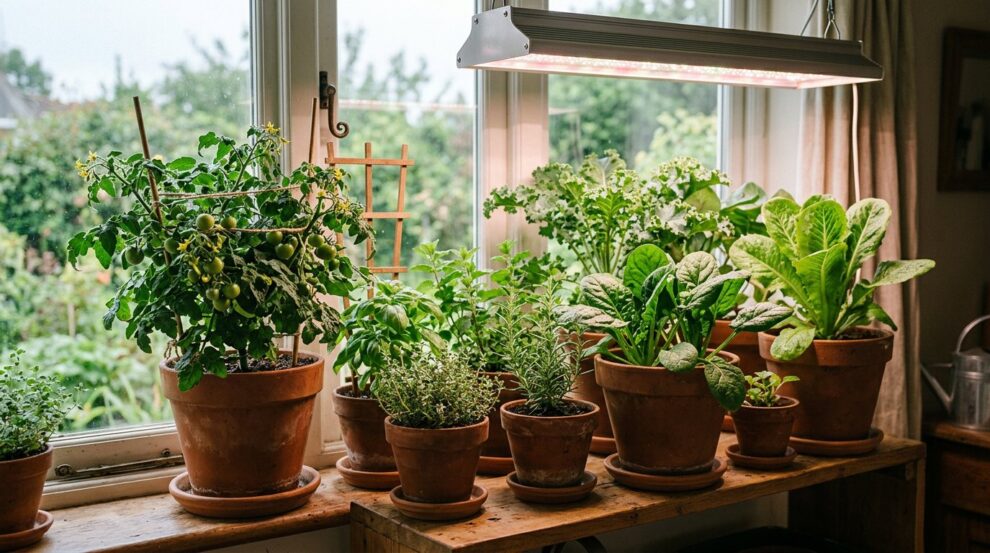
Master the elements indoors for total yield. Light, temperature, humidity: these are the variables you can control to create the perfect growing conditions. LED grow lights can mimic the sun’s spectrum, timers can automate light cycles, and ventilation systems can regulate humidity. With a controlled environment, seasonality becomes irrelevant. The room opens up like a book as you observe the nuances of each plant.
Building Your Bunker Garden on a Budget
Can you really grow without breaking the bank? Absolutely. The key is to spot the difference between survival gear and overpriced gadgets. Effective prepping is about resourceful adaptation, not blind spending.
DIY Stealth Gardens
Upcycle, repurpose and adapt. Turn old containers into planters, build your own hydroponic systems from PVC pipes, and use reflective materials to maximize light exposure. Scavenging for materials is a valuable skill; every discarded item is a potential resource. Scan the terrain. Pause to assess the use of every object.
LED Power
LED grow lights are energy-efficient and long-lasting, making them a cost-effective choice for indoor gardens. Experiment with different spectrums to optimize plant growth. Remember: Power consumption needs to be kept in mind to ensure your plan can be upheld during an emergency.
Smart Buys
Focus on essentials: seeds, nutrients, and basic tools. A ready-to-run kitchen hydroponic garden removes the guesswork for beginners. Don’t get bogged down in fancy gadgets until you’ve mastered the fundamentals. Start small, learn as you go, and gradually expand your operation as your skills and resources allow. Quality seeds are pivotal. A heirloom seed vault guarantees variety when you need it most. As you consider various seed stocks, read about prepper seeds to harvest.
Community Cultivation
Cultivating alliances is crucial for survival, so what kind of knowledge and resource sharing can you find in local and online growing communities? Collaborative resilience can prove to be the ultimate hedge against scarcity. Remember, the lone wolf often falls, but the pack endures.
Local Networks
Connect with gardeners in your area. Share seeds, seedlings, and knowledge. Organize workshops, help each other with gardening tasks, and build a resilient local food network. These are your allies, and their knowledge could be your lifeline. Did the market quiet when you got close? Use your instincts.
Virtual Greenhouses
Online forums, social media groups, and gardening websites offer a wealth of information and support. Tap into these virtual communities to learn new techniques, troubleshoot problems, and share your own experiences. One skill to learn would be how to deter pests from your garden. The signal you send is only as good as the signal you receive.
Skill Sharing
Offer your expertise in exchange for other skills. Can you build a hydroponic system? Can you create a composting system? Collaboration is key to building a resilient community. Share the load. Improve the odds.
The Shadows in the Soil
Awareness is survival. What kind of limits are inherent in indoor gardening (and how can you overcome them)? Adapt to energy consumption and initial costs, and turn constraints into advantages. Every operation has risks; mitigation is key.
Energy Footprint
Indoor gardening requires energy, primarily for lighting and ventilation. Minimize your energy consumption by using energy-efficient equipment, optimizing lighting schedules, and utilizing natural light whenever possible. The less you rely on external resources, the more resilient you are. Keep your consumption a secret.
Knowledge Barriers
Mastering indoor gardening takes time and effort. Don’t be afraid to experiment, make mistakes, and learn from your failures. Continuously seek out new information and adapt your techniques as needed. The learning curve can be steep, but the rewards are worth it. Every ruined town has an unspoken structure, and figuring it out fast will help you thrive.
Future Harvest
Read the tea leaves. Project where indoor gardening is headed and explore market growth and tech advancements (and how you can position yourself to outlast the chaos). Preparedness isn’t just about surviving today; it’s about thriving tomorrow. The first glance is everything. Perhaps you’re thinking about the long term and how to prepare for an economic collapse.
Tech on the Horizon
The future of indoor gardening will be largely automated, with sensors, AI, and robotics optimizing every aspect of the growing process. Personalized automated agriculture is looming, which can project food surplus for all.
Urbanization as Opportunity
As more people move to cities, indoor farming will become increasingly important for food security. Embrace urbanization as an opportunity to leverage population density and build sustainable food systems within urban environments. The flow of a crowd is like a river; use it to your advantage.
Reaping the Rewards
So, is your home ready to transform into a fortress of flavor? I understand that cultivating your indoor garden is more than nurturing plants, whether it’s facing potential shortages or reclaiming control over your provisions. It’s a proactive move, and a step toward a life more resilient. The key is to start simply, learn constantly, and join the community of like-minded individuals who are quietly growing their own security. Germinate your plans now and watch them take root, because you can’t eat money when the shelves are empty.