This post contains affiliate links. We may earn a commission if you make a purchase through our links at no extra cost to you.
It feels like the world is on edge, doesn’t it? We’re bombarded with news of outbreaks, rising anxieties, and an undercurrent of “what if?” What if a new virus sweeps across the globe? What if our healthcare systems are overwhelmed? What if our everyday life is disrupted? These aren’t just doomsday scenarios. These are real possibilities in our interconnected world, and it’s time to get real about preparing for them. This isn’t about panic, it’s about empowerment. It’s about understanding the threats, knowing your resources, and taking actionable steps to protect yourself, your family, and your community.
Global Contagion. The Silent Enemy At Our Door
The Domino Effect
How long before a localized public health scare cascades into a global panic? The reality is, not long at all. We live in a hyper-connected world where a novel virus in one corner can shutter businesses on the other side of the globe within weeks. The initial outbreak is only the first stage. Economic shockwaves ripple outwards, disrupting supply chains. A factory closure in China chokes production lines across the US. Markets react with volatility and fear, leading to crashes that exacerbate the situation. International relations sour as nations scramble for resources and point fingers. Understand this sequence. Prepare for the unseen.
Tracking the Threat
Think of a pandemic like an invisible assailant. You need to understand its movements and the way it’s transported to defend against it. Start tracking outbreak dynamics. Pay attention to reported cases, infection rates, and geographical spread. Use tools like the WHO and CDC websites, but also learn to filter information. Not all data is equal. Assess the source. Confirm the facts with multiple sources. Master the art of calculated observation. The more prepared you are, the better chance you have to outlast the chaos.
Global Health Security
Global health crises don’t just affect international travel and individual health; they destabilize societies. Food shortages lead to unrest. Economic hardship breeds desperation. The key is: global health security is not just a medical issue, it’s a national security issue. A robust global health system prevents outbreaks from becoming pandemics; protecting borders and citizens, alike. You must understand this hierarchy to protect yourself in troubled times.
The CDC’s Shield. Understanding Our First Line of Defense
The Front Line
How effective is the Centers for Disease Control and Prevention? The CDC is far from invulnerable. While it’s a critical agency for managing outbreaks, its effectiveness hinges on resources, political support, and early detection, which can influence everything from response time to resource distribution. A delay in any of these areas can render their response less effective. Like any defensive perimeter, it has its vulnerabilities. Know them.
Knowing Their Capabilities
Unveiling the CDC’s core capabilities shows the strengths and weaknesses of our defense. The CDC has three main strengths: data surveillance, laboratory capacity, and workforce development. They track outbreaks, analyze pathogens, and train public health professionals. The CDC relies heavily on early warning systems, but these systems depend on accurate reporting from every level of the chain. If information gets lost, then everything crumbles.
Prevention vs. Reaction
The CDC is capable of two strategies: prevention and reaction. Prevention involves strengthening public health systems worldwide to detect and contain outbreaks before they spread. Reaction involves responding to outbreaks with interventions like quarantines, vaccinations, and public health campaigns. Prevention is proactive; the CDC can stop these crises from happening to begin with. Reaction, however, is reactive. Remember. An ounce of prevention is worth a pound of cure. Especially now.
International Cooperation
Global health security is not a solitary endeavor. It requires collaboration between nations, sharing information, resources, and expertise. A coordinated global response is far more effective than individual efforts. For example, a unified approach to vaccine distribution ensures that everyone has access. This international cooperation minimizes the spread – protecting populations world-wide. The best chance to survive is acting like this crisis is a global affair.
Your Town. Ground Zero. Community Resilience in the Face of Pandemic
Local Health Departments
When a pandemic hits, your local health department is your first point of contact. These agencies are responsible for monitoring outbreaks, providing guidance, implementing interventions, and coordinating with state and federal authorities. It’s crucial to know who to contact and where to find accurate information. A quick reference that can keep you ahead of the rising panic.
NACCHO Initiatives
The National Association of County and City Health Officials (NACCHO) plays a vital role in building resilient communities and enhancing preparedness at the local level. NACCHO initiatives focus on strengthening local health departments, improving emergency response capabilities, and promoting community engagement. Understand these initiatives. They’re the foundation of local resilience.
Medical Countermeasures
Beyond the news headlines, what medical countermeasures are available, and when are they effective? These include vaccines, antiviral drugs, and antibody treatments. Vaccines can prevent infection or reduce the severity of illness. Antiviral drugs can target those who are already infected. Antibody treatments can provide immediate protection. The key is, these countermeasures are most effective when administered early in the course of the disease, but you need to be prepared to get them quick.
Building Partnerships
Community resilience requires strong partnerships between public health, healthcare, and emergency management systems. These systems must work together to share information, coordinate resources, and implement interventions. For instance, hospitals need to coordinate with public health agencies to manage patient surges. Emergency management agencies need to support healthcare facilities; ensuring supplies and personnel. Working together is the only way to survive in an emergency situation.
The Body’s Defenses. Medical Countermeasures and Personal Strategies That Work
Medical Measures
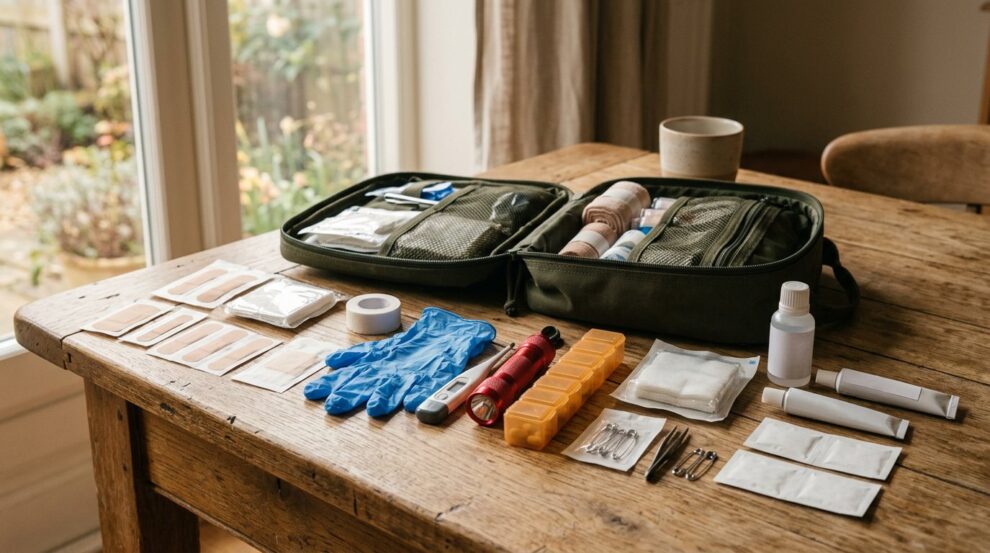
Beyond the headlines, you need to know what medical countermeasures are available and when they are effective. Vaccines, antiviral drugs, and antibody treatments can significantly reduce the impact of a pandemic, but timing is critical. Stockpiling these resources may seem like a good idea, but it’s often impractical and can create shortages for those who need them most. Consult your doctor, research reputable sources, and stay informed about the latest recommendations. Knowledge is your greatest strength. For the home, a digital thermometer, a pulse oximeter, and a well-stocked first aid kit are worth having on hand.
Non-Pharmaceutical Interventions
Non-pharmaceutical interventions (NPIs) are actions individuals and communities can take to slow the spread of a disease without relying on medical treatments. These measures include:
These actions may seem simple, but they can significantly reduce the spread of infectious diseases. Turn cleanliness into a survival tactic.
Quarantine
Quarantine isn’t just for the movies. It’s a public health measure used to separate and restrict the movement of individuals who have been exposed to a contagious disease. Quarantine is, if you are exposed. Isolation is, if you are confirmed sick. When preparing for a potential quarantine, think about what you need to survive for an extended period. Food, water, medical supplies, entertainment. You need supplies to keep your head in the game during the situation. Be prepared to go dark for an unknown amount of time.
Hygiene
Good hygiene isn’t just about personal cleanliness; it’s a survival tactic. Frequent handwashing with soap and water, especially after touching surfaces in public places. Use hand sanitizer when soap and water are not available. Avoid touching your face, especially your eyes, nose, and mouth. Clean and disinfect frequently touched surfaces in your home and workplace. Turn cleanliness into a constant habit. To the enemy, good hygiene is like striking a vital artery.
The Nurse on the Frontline. Skills and Competence in Disaster Response
Critical Roles
It is incredibly important to understand why nurses are so vital in the disaster response. They are often the first responders on the scene, providing medical care, managing resources, educating the community, and offering emotional support. Their skills, training, and experience make them invaluable during a crisis, as they manage multiple tasks.
Assessing Competency
The Nurse Competency Assessment Scale in Disaster Management (NCASDM) is a tool used to evaluate nurses’ preparedness and ability to respond effectively during a disaster. This assessment helps identify areas where nurses need additional training and support. It’s crucial to ensure that nurses have the skills and knowledge to handle the unique challenges of disaster response. You must remember that this knowledge is crucial to improving outcomes and ultimately saving lives in times of crisis.
Shortcomings and Limitations
Despite their importance, there are significant shortcomings in disaster nursing training globally. Many nurses lack formal training in disaster preparedness and response. This deficiency can limit their effectiveness during a crisis. Shortcomings in disaster preparedness are due to a lack of funding, resources, and standardized training. Many nurses have the right intention, but they don’t have the training or knowledge to execute. A nurse without the right training is like a soldier without a weapon; useless.
Providing Support
During a disaster, nurses play multifaceted roles. Supplying medical care, managing medical resources, offering community education, and giving emotional support. They assess injuries and illnesses, administer treatments, and triage patients based on severity. Nurses also manage supplies, equipment, and personnel to ensure that resources are used efficiently. Nurses educate the community about disease prevention, hygiene, and self-care. Finally, they provide emotional support, counseling, and comfort to survivors and families affected by the disaster; keeping a clear head during troubling times.
Emergency Mindset. Hardening Yourself and Your Household Against the Unseen
Personal Preparedness
Creating a personal emergency plan is like thinking like a field operative: assess the situation, identify threats, and develop a strategy. This plan should be tailored to your specific needs and circumstances, taking into account factors such as your location, family size, and potential risks. The plan should include evacuation routes, communication protocols, and emergency contacts. Practice this plan regularly, so you’re ready to act. If you fail to plan, then you are planning to fail.
Emergency Readiness
Assessing personal emergency readiness involves evaluating your preparedness in terms of emergency funds, supplies, and skills. Do you have enough cash on hand to cover expenses for a week or more? Do you have a stockpile of food, water, and medical supplies to sustain your household for several days? Do you have the skills to provide first aid, defend yourself, and navigate in unfamiliar terrain? The assessment will get you ready to be self-sustainable.
Staying Informed
Staying informed is crucial during a public health emergency, but you need to use trusted sources to monitor the situation in real-time. Rely on official sources such as the CDC, WHO, and local health departments for accurate information. Be wary of rumors, misinformation, and conspiracy theories that can spread rapidly on social media. This disinformation can lead to panic and poor decision-making. Staying off the grid, but staying informed, is how to survive.
Community Engagement
Personal preparedness is not enough; you need community engagement. Build relationships with your neighbors, participate in community emergency preparedness programs, and volunteer your time and skills to support local response efforts. Also, your neighbors are more than a resource for you, so being kind is a crucial part of being the person you want to be even during tough times. Take the time to help each other out, and people will be more eager to help defend you.
The Legal Framework. Navigating the Rules of Engagement in a State of Emergency
Emergency Authorities
Governors and state officials must understand their emergency authorities in order to respond effectively to a public health crisis. These powers allow them to implement measures such as quarantines, travel restrictions, and business closures to protect public health. When these powers are properly and quickly utilized, the damage can be minimized. If they are used incorrectly, however, the damage will be catastrophic.
Legal Preparedness
Legal preparedness is planning for rapid action. Without laws in place, and the knowledge of how to use them, the rapid action of emergency response won’t be possible. The faster the response, the quicker a pandemic can be terminated.
Disaster Funding
Sustaining disaster funding is a major challenge, but it is important to allocate sufficient resources to emergency preparedness and response. To overcome the challenges, explore new funding mechanisms. These challenges include political considerations, competing priorities, and budgetary constraints. Without this crucial part of the cog in place, an entire system can collapse.
Effective Legal Frameworks
A state of emergency can only happen, if there are proper, established legal frameworks. What you need to do is: examine effective legal frameworks for managing emergencies and how they need to be updated. Public health laws, emergency powers acts, and liability protections for healthcare professionals, should be in place. These protections limit the chaos while the authorities attempt to restore order to the community.
The Aftermath. Rebuilding from the Ashes, Stronger and More Resilient
Community Stability
Restoring community and economic stability after a crisis is a long and challenging process. Start by assessing the damage, identifying needs, and developing a recovery plan. Focus on restoring essential services, such as healthcare, transportation, and communication. Economic recovery requires supporting local businesses, creating jobs, and attracting investment. It is important after a disaster… to be strong and keep up the community morale.
Sustainable Resources
Long-term recovery relies on funding and sustainable resources. This includes federal aid, state funding, private donations, and community fundraising. Sustainable resources can be secured through diversification of energy sources, efficient use of water, and sustainable management of your land. A community that relies on itself will be able to survive.
Community Sectors
The relationship you have with public health, healthcare, and community sectors is crucial. You are depending on your neighbors. Collaborate with each to build a team of people to rely on, for the days you may not be at your best. The community will be stronger for it.
Building Back Better
Build back better by establishing community and intersectoral partnerships during recovery. This involves creating platforms for dialogue, sharing resources, and coordinating action. Focus on addressing the root causes and promoting equity, sustainability, and resilience. Your community can thrive after you’ve dealt with an emergency, and it needs to.
Final Thoughts
This exploration revealed simple truths. We must adopt a mindset of proactive preparedness, whether it’s understanding global threats, bolstering community resilience, or hardening our own defenses. By doing so, we increase our chances of navigating a crisis successfully, and also rebuild stronger. Every crisis is a lesson; learn these lessons now. Adapt or become a casualty.